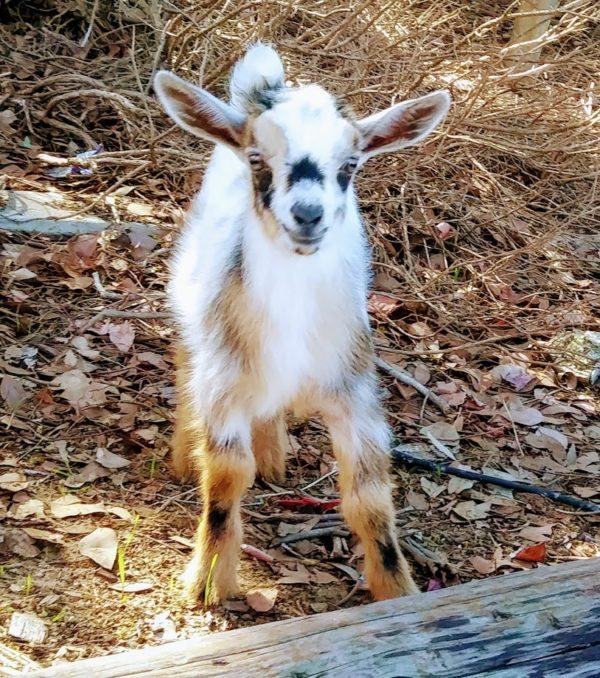
Nigerian Dwarf Goats are great for your homestead if you are looking to own a milk goats. Because of their shorter size they require less feed and get into less trouble!
How do I get my Goat to start producing milk?
Goat start producing milk after they kid. So you will need to find a farm who offers stud service. You would pick up the buck (or deliver your doe) and leave them there for a couple of hours when your doe is in heat. 150 days later they will kid and begin producing milk. The first month you should allow her kid to consume all the milk, but afterwards you can separate them at night and come out and milk in the morning.
How often do I need to Milk?
To keep your doe in milk, she must be milked every day! If she has a kid with her, they will drink from their mothers allowing you a break and helping on the rare day when you miss.
What do I feed my doe?
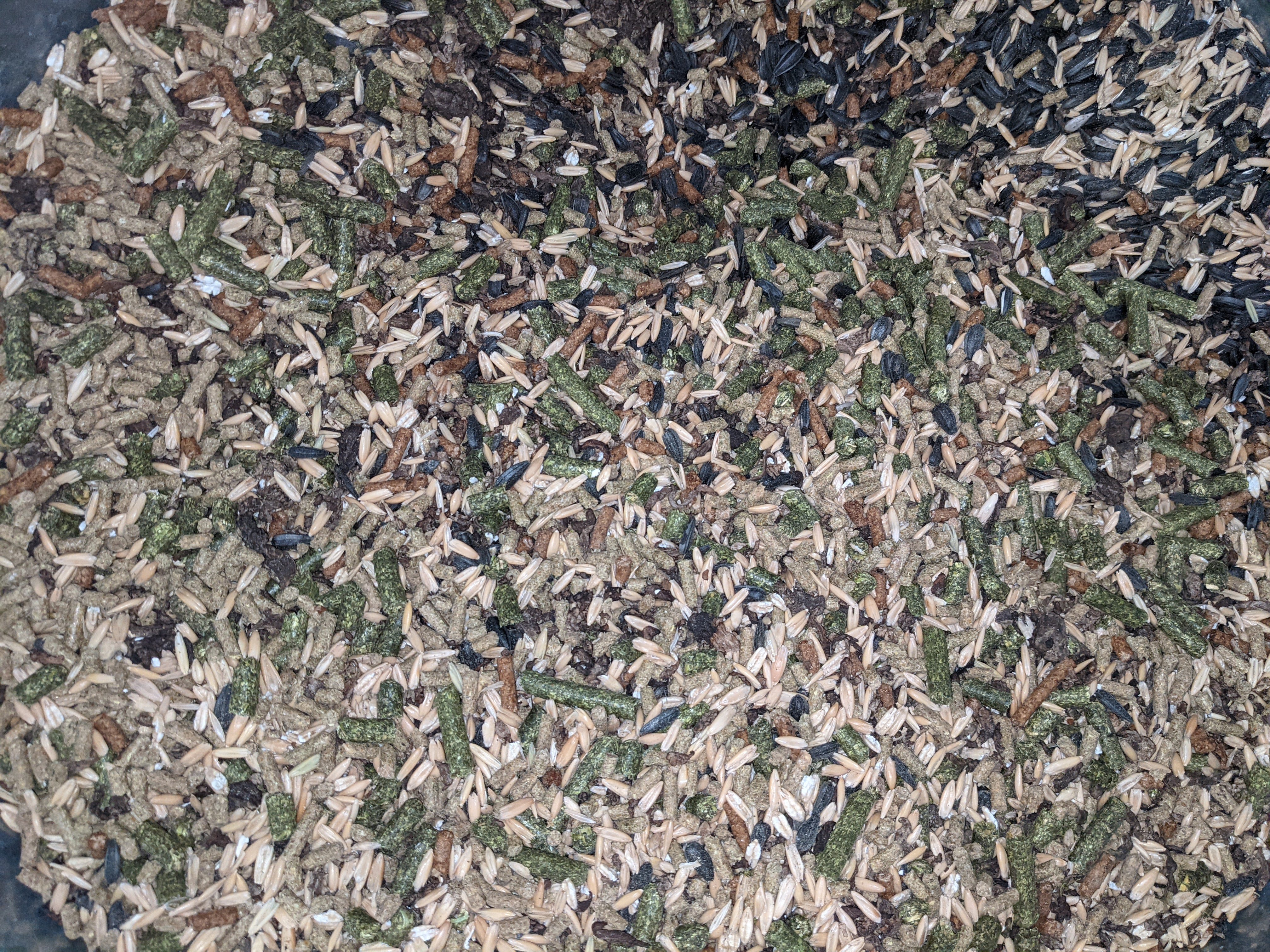
Goats are very versatile with their feed, but if you are milking them what you feed can change the flavor of the milk – refer to our article on feeding your does that are in milk.
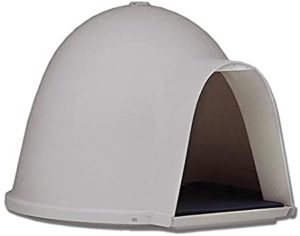 ts can live in a simple shelter such as a medium to large dog igloo to a goat condo! What is of imperative importance is that they are able to get out of the weather. There is a common saying among goat owners, “a wet goat is a dead goat.” That being said, goats absolutely hate getting wet! Whatever shelter you choose to buy/build it will need to be mucked out weekly or sooner. When waste matter is left behind (especially if there is no air circulation) ammonia fumes build up and linger at the bottom of the enclosure. The build up and constant inhalation of these fumes can/will irritate the goats lungs and they can develop pneumonia. Pneumonia in goats more times than not results in the death of the goat.
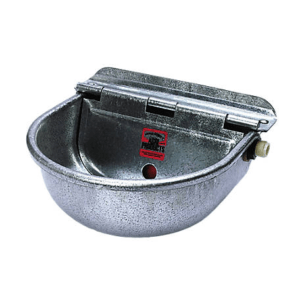 Make sure you have a freshwater delivery system as well. So as you prepare your farm now is the perfect time to run some PVC and setup a livestock waterer.
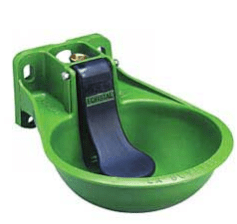 We recommend a bowl type that mounts to a fence and includes a float and if you have high water pressure (above 50 PSI) use interactive watering devices like a paddle water bowl that requires your goat to push on a level with their nose. Put these waterers high enough so they cannot poop in them. Also be prepared to use a cinderblock so your bucklings and doelings can reach the water until they grow taller.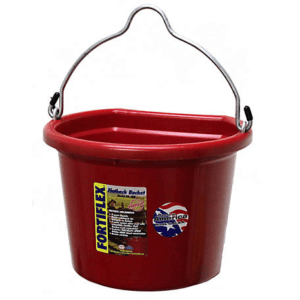
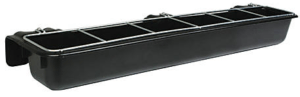
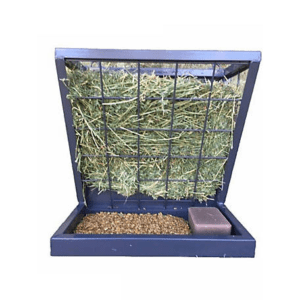 feeding grain, but if you have many goats I would consider a trough that mounts to the fence. Goats are messy with their hay so use a large trough or a hay feeder.