Please take the time to get your property ready for your new animals. When they come to you they are young and small – so if it is winter be sure you have extra bedding until they get more bodyfat. A heatlamp is also a good idea – on very cold winter nights we have used a 250W red heatlamp for the youngest babies. Pigs are particular as to where they urinate and defecate and once they choose a corner that is where they will always go for as long as they live in that pen. So MAKE SURE you make it difficult for them to leave their waste where you need to walk. We will typically take an old pallet (they hate walking on those) and leave it in front of the gates so they use a different corner.
Shelter
Pigs need dirt. KuneKune pigs may not root for food but they lie in dirt to sleep (or bedding when its cold) and need wet soil or even mud if it is hot outside to stay cool. They should also have some shade to get out of the sun. As simple leaning shelter with a corrugated steel roof only 4 feet off the ground will work wonders.
Fencing
Piglets will be sure to exploit any hole they can squeeze through. We recommend using pigwire when you build out their pens, it is strong and the holes are smaller toward the bottom. T-Bars are a great way to erect fencing quickly and still keep it strong. A 3’ tall fence would be just fine but what you want is strong. A full-grown, hungry pig is extremely strong and they can push through anything, so use heavy-duty wires on your Pig Fence
Water
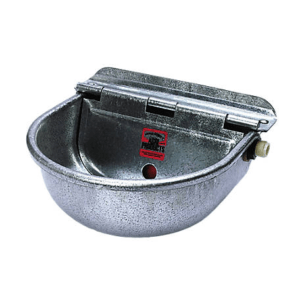
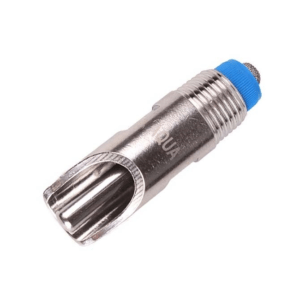 Make sure you have a freshwater delivery system as well. So as you prepare your farm now is the perfect time to run some PVC and setup a livestock waterer.
https://www.tractorsupply.com/tsc/product/little-giant-automatic-waterer
We recommend a bowl type that mounts to a fence and includes a float. Make sure you set these up at the proper height as pigs need them much lower to the ground (especially piglets). You can also use cinder blocks so they can setup up to reach a slightly higher watering bowl.
If you have high water pressure (above 50 PSI) use interactive watering devices like hog nipples.
Feeders
These work great for feeding grain to our pigs. And since pigs are so low to the ground we put the hay in a clean place in the pen.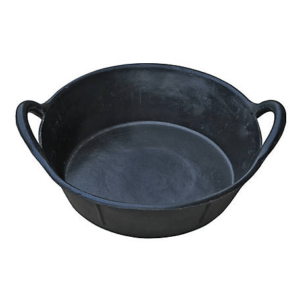
https://www.tractorsupply.com/tsc/product/double-tuf-rubber-pan-with-handles-3-gal
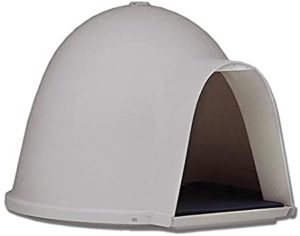 ts can live in a simple shelter such as a medium to large dog igloo to a goat condo! What is of imperative importance is that they are able to get out of the weather. There is a common saying among goat owners, “a wet goat is a dead goat.” That being said, goats absolutely hate getting wet! Whatever shelter you choose to buy/build it will need to be mucked out weekly or sooner. When waste matter is left behind (especially if there is no air circulation) ammonia fumes build up and linger at the bottom of the enclosure. The build up and constant inhalation of these fumes can/will irritate the goats lungs and they can develop pneumonia. Pneumonia in goats more times than not results in the death of the goat.
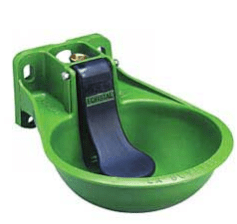 We recommend a bowl type that mounts to a fence and includes a float and if you have high water pressure (above 50 PSI) use interactive watering devices like a paddle water bowl that requires your goat to push on a level with their nose. Put these waterers high enough so they cannot poop in them. Also be prepared to use a cinderblock so your bucklings and doelings can reach the water until they grow taller.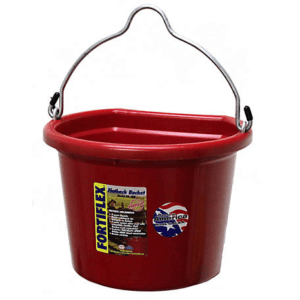
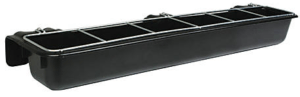
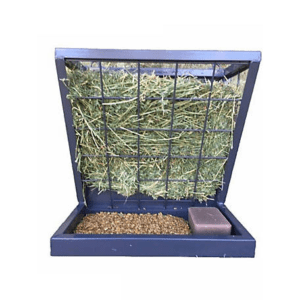 feeding grain, but if you have many goats I would consider a trough that mounts to the fence. Goats are messy with their hay so use a large trough or a hay feeder.